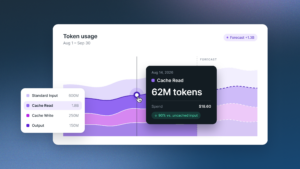
Most organizations are working toward better visibility into their AI spend. They want to know what they’re spending, who’s driving it, which use cases are consuming the most tokens, and what they’re getting in return.
That’s an important foundation, but visibility only tells you what’s happening.
The next step is being able to act on it.
If an AI initiative is consuming more than expected or isn’t producing enough value to justify the investment, seeing the problem in a dashboard doesn’t fix it. Organizations need a way to turn those insights into action.
That’s where guardrails come in.
In this keynote at the FinOps Weekly Virtual Summit, we’ll explore how FinOps teams can move beyond simply measuring AI spend and start using guardrails to proactively improve the value they’re getting from it.
By connecting visibility into cost-per-outcome with controls that can act on those signals, organizations can put more resources behind the AI investments that are working, intervene when they’re not, and make better decisions about where to scale.
In this session, you’ll learn:
- Why visibility is the foundation, not the finish line: Understand what you need to know about AI spend, usage, and outcomes before you can take meaningful action.
- How to move from insight to action with guardrails: See how proactive controls can respond to what your AI cost and value data is telling you instead of leaving teams to react after the fact.
- How cost-per-outcome changes the AI spend conversation: Move beyond asking “How much are we spending?” to understanding whether that investment is producing enough value to justify the cost.
- How guardrails help maximize AI value: Learn how to scale the initiatives delivering results while correcting or stopping investments that aren’t.
The goal of FinOps for AI isn’t simply to spend less on AI, it’s to make sure the AI you’re paying for is creating business value.
Whether you’re still building the visibility foundation or already thinking about how to operationalize AI cost and value data, you’ll leave with a clearer framework for moving from seeing what’s happening to doing something about it.
See the spend. Understand the outcome. Act on what the data tells you.