Inside Kion is a people-focused blog where we share what makes our culture thrive. Insights from behind the scenes, the values we live by, and the ways we keep our team connected, energized, and inspired.
We didn’t go remote. We rebuilt how work works.
Five years ago, we made a decision that fundamentally reshaped how we work, grow, and hire at Kion.
In April 2021, we committed to becoming a Remote-First organization. Not as a temporary solution, but as a long-term strategy. Today, that decision has expanded our footprint across 21 states, allowing us to hire the best people for the job, regardless of where they live.
And if we’re being honest, from a POps perspective, that’s been one of the most important shifts we’ve made. We stopped hiring based on proximity and started hiring based on potential.
Now, don’t get us wrong, this didn’t happen in a vacuum. Like many companies, COVID-19’s quarantine forced us into remote work practically overnight. At first, it was reactive. We were figuring it out in real time, just like everyone else. But something interesting happened. We realized it was working. Not just “getting by” working, but actually working. People were productive. Teams stayed connected. In some cases, we were operating even better than before. So when the world started reopening, we had a choice to make: Go back to what was familiar… or lean into what was clearly working. We chose the latter!
But Remote-First at Kion isn’t just about location. It’s about ownership, flexibility, accountability, and trust.
At its core, Remote-First means that working remotely is the default, not the exception.
We didn’t just take office-based work and move it to Zoom. We rebuilt how work actually happens.
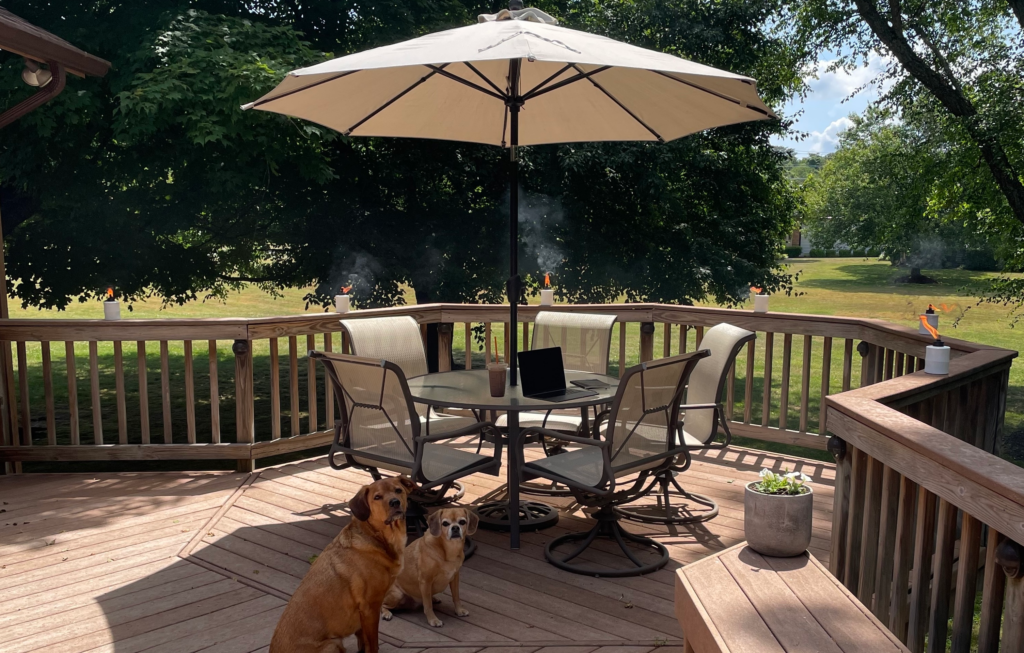
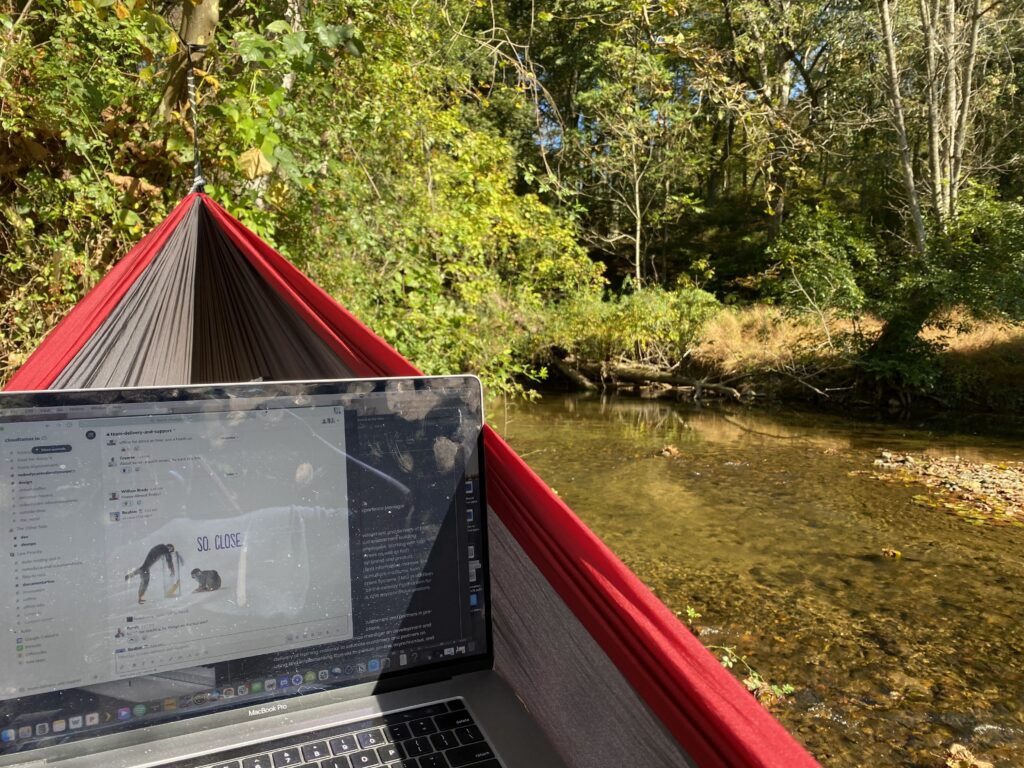
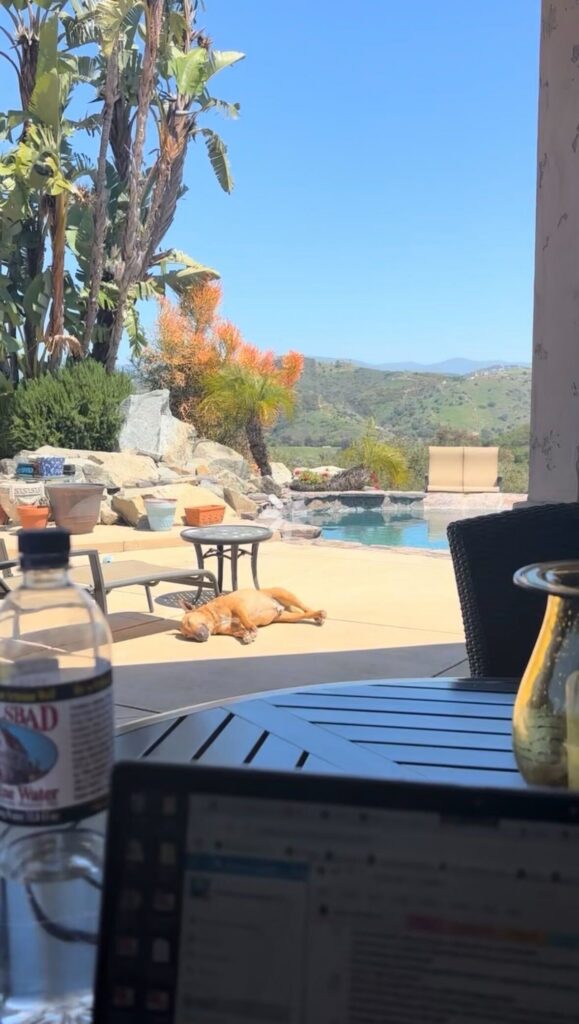
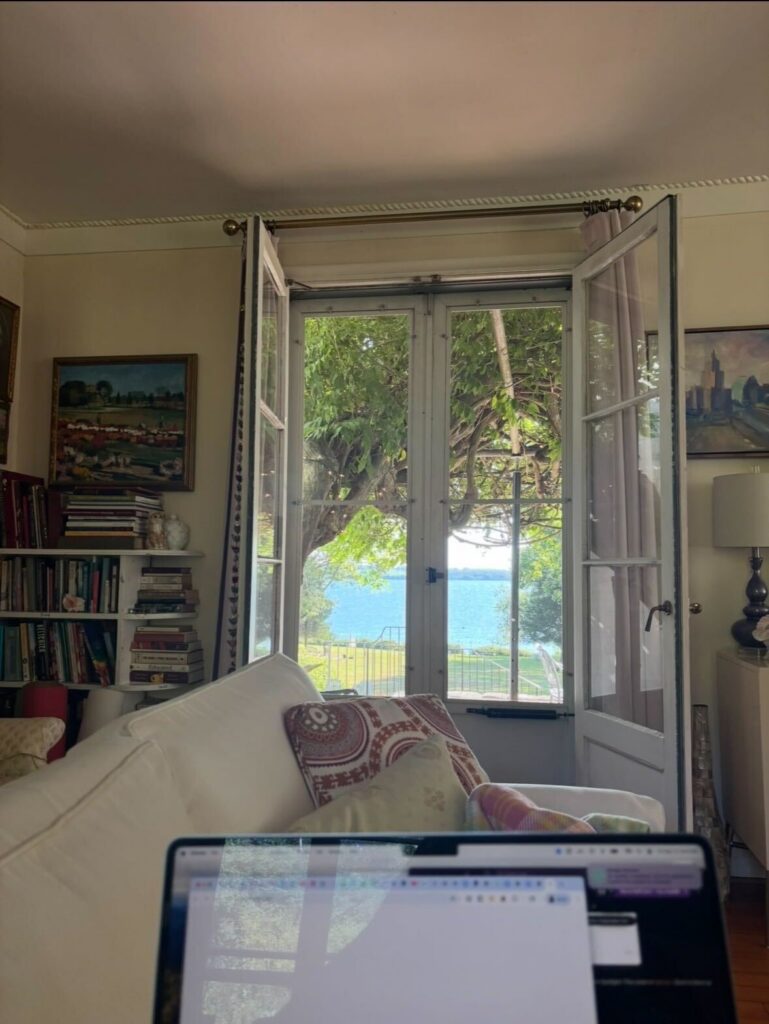
Instead of structuring everything around a physical office, we’ve designed our systems, expectations, and culture to support people working from wherever they do their best work. Whether that’s at home in your hammock in the backyard, at HQ in Columbia, or somewhere in between.
But let’s be clear about something: Remote-First doesn’t mean “anything goes.”
If anything, it requires more clarity, not less.
We’ve learned that flexibility only works when it’s paired with accountability. Autonomy only works when there’s trust. And trust only works when expectations are crystal clear.
That’s why our approach has always been intentional. The work doesn’t change. The bar doesn’t lower. The environment just becomes more flexible.
And that’s a trade we’re willing to make, because when you give great people the right conditions, they tend to do great work.
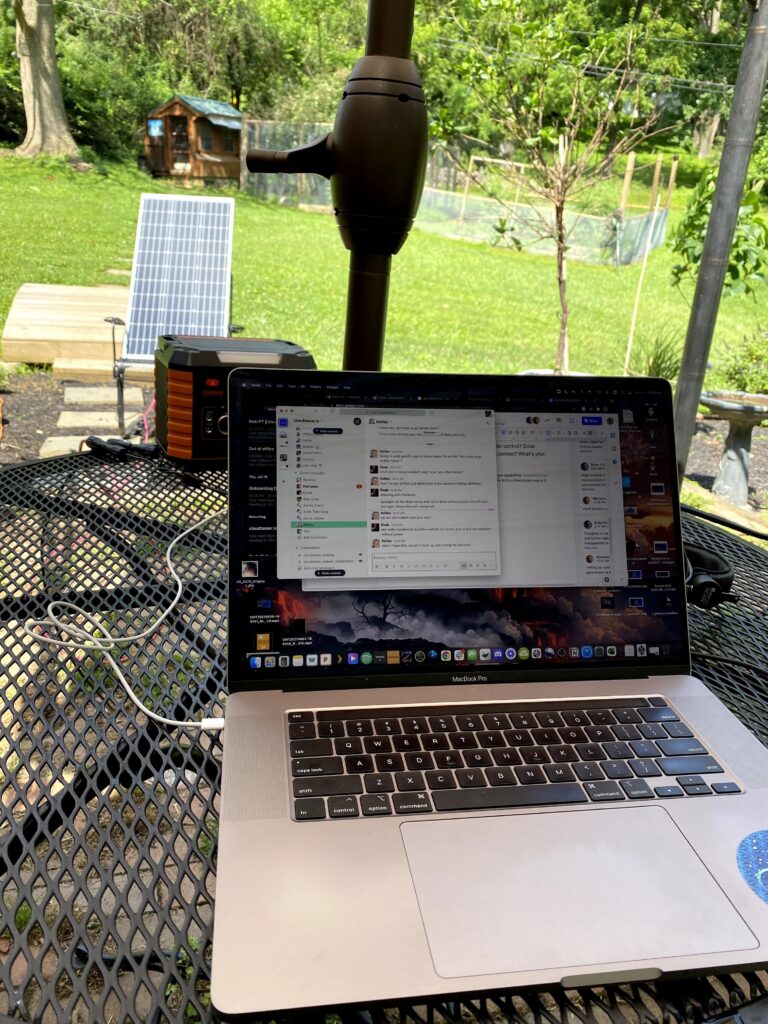
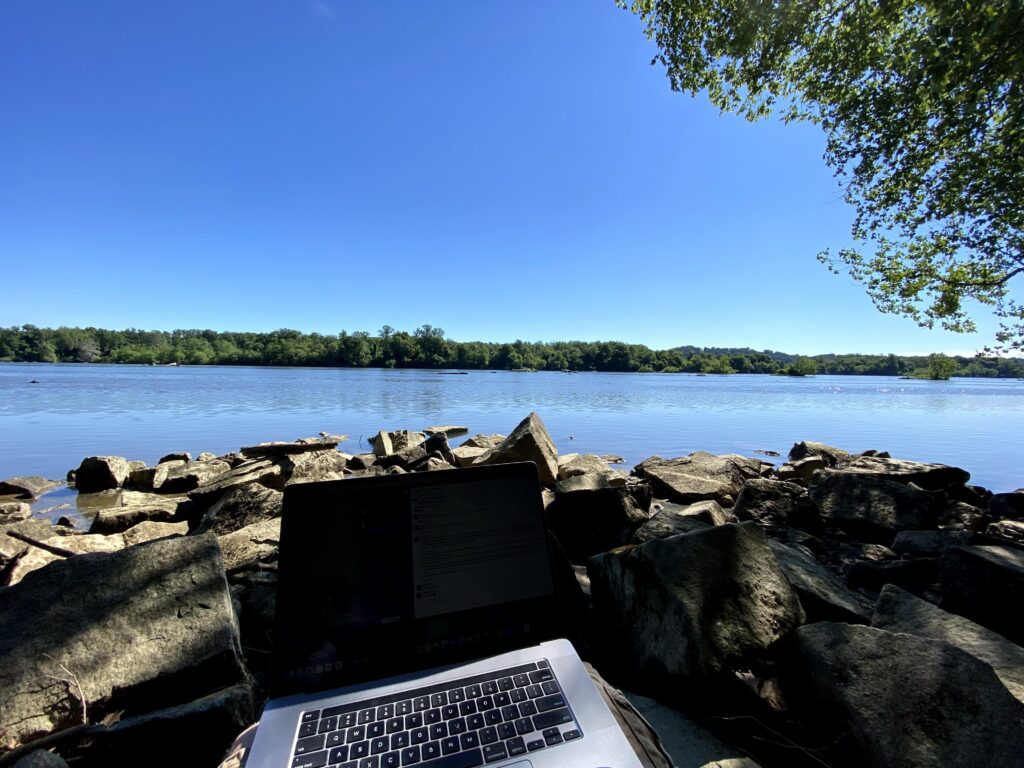
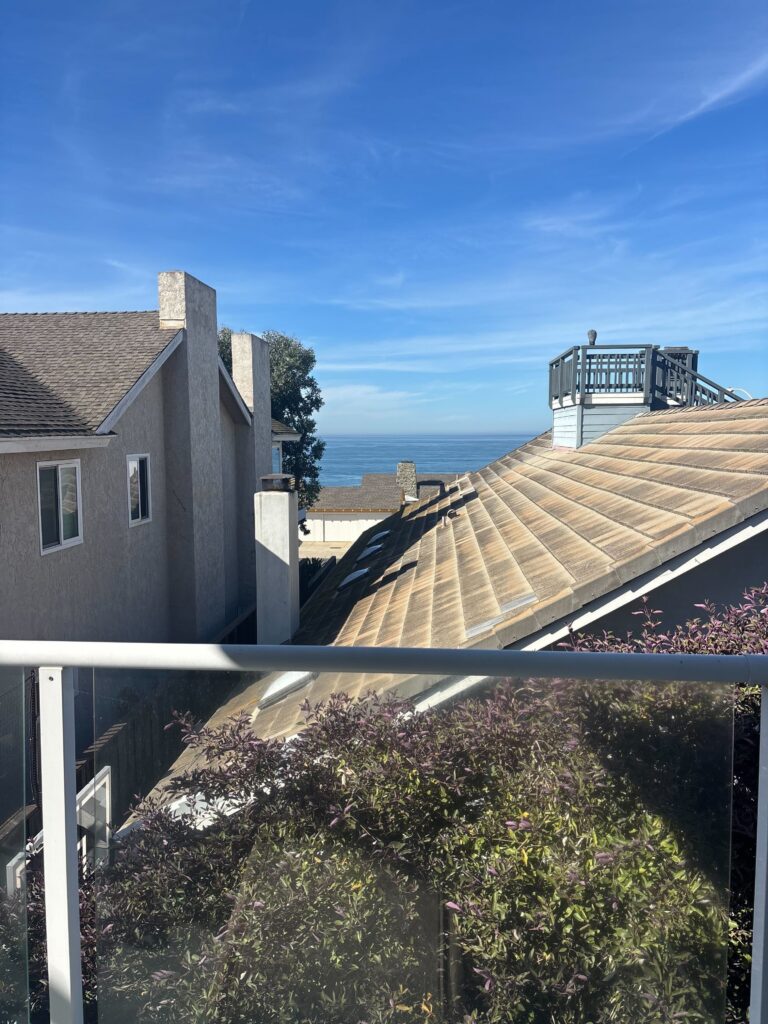
Remote-First looks a little different for everyone, and that’s kind of the point. Here’s a glimpse into where and how our team does their best work.
“Kion’s remote-first policy has been great for me. Since I live close to the office, I like to work from there several days a week, but having the flexibility to work from home when I need to is very helpful for my work / life balance. I really appreciate having both options available.” – Evan Gramens (Engineering)
“I’ve been in remote roles my entire career, but Kion is the first Remote-First company I have worked for; it makes a huge difference. When everyone is remote, everything from benefits to work schedule and even engagement activities are always built and geared towards our remote-first atmosphere. You can still feel isolated at times, but because all of your peers are in the same shoes, you feel more connected and less worried about missing out on an interesting conversation or fun activity.” – Matt Duda (Delivery & Support)
“The remote-first culture at Kion has allowed me to explore opportunities that would have otherwise never been possible for me. Having lived in Tennessee my whole life, I had been itching to see if there were other places out there that might be a better fit for me to call home. That feeling of “you don’t know what you don’t know”. Vacation is great to explore a new city, but its not a realistic view of what it would be like to live there. With the remote-first flexibility at Kion, I have been fortunate enough to have the ability to test out a few new cities across the country and get a real life look into what it would be like living there, working there, and settling there.
From Miami to California, it’s been life changing to have the flexibility to work anywhere in the country and explore what could be the next move for me. At the same time, the trust and transparency I have with my leadership is stronger than I’ve ever experienced professionally, and having that level of freedom and trust only drives me to work harder and show up better for my team. They have been beyond supportive, and with that comes a responsibility to continue bringing my best self to work everyday, no matter where that may be. Plus, it makes it that much sweeter when we do get the chance to come together in person! People are more engaged, collaborative, and grateful to be connecting during that time, which is a striking difference compared to typical in-office environments. I’m beyond grateful to be at a place that values people and talent first above all else and allows us to bring our full selves to work everyday.” – Maria Marconi (Marketing)
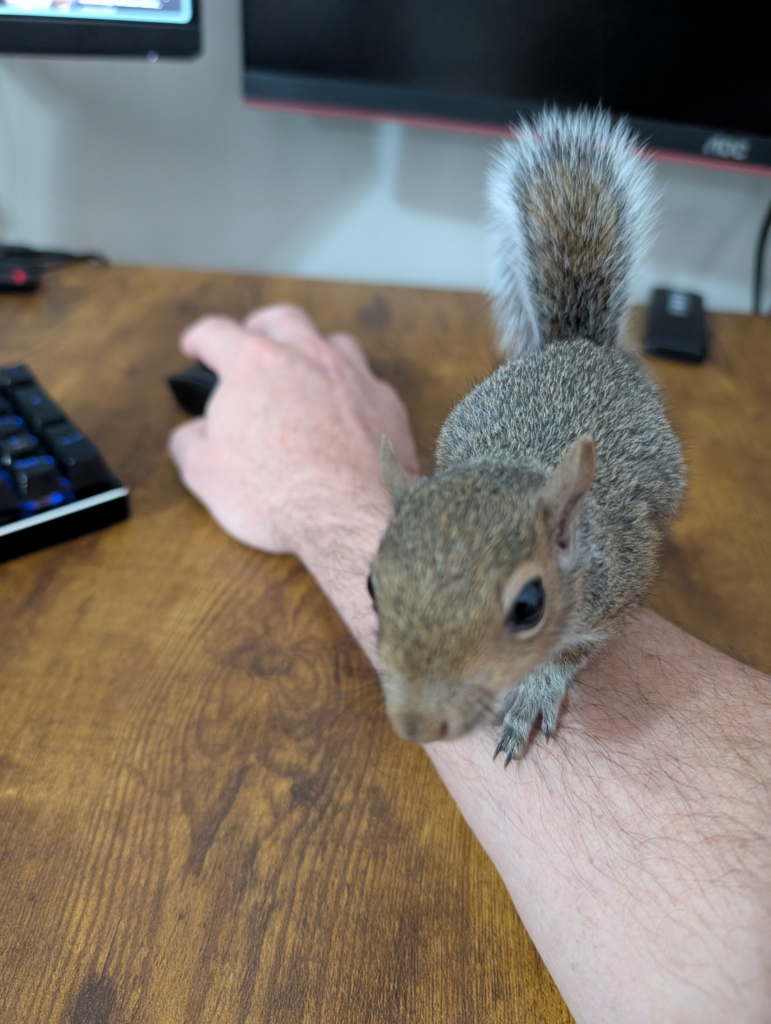
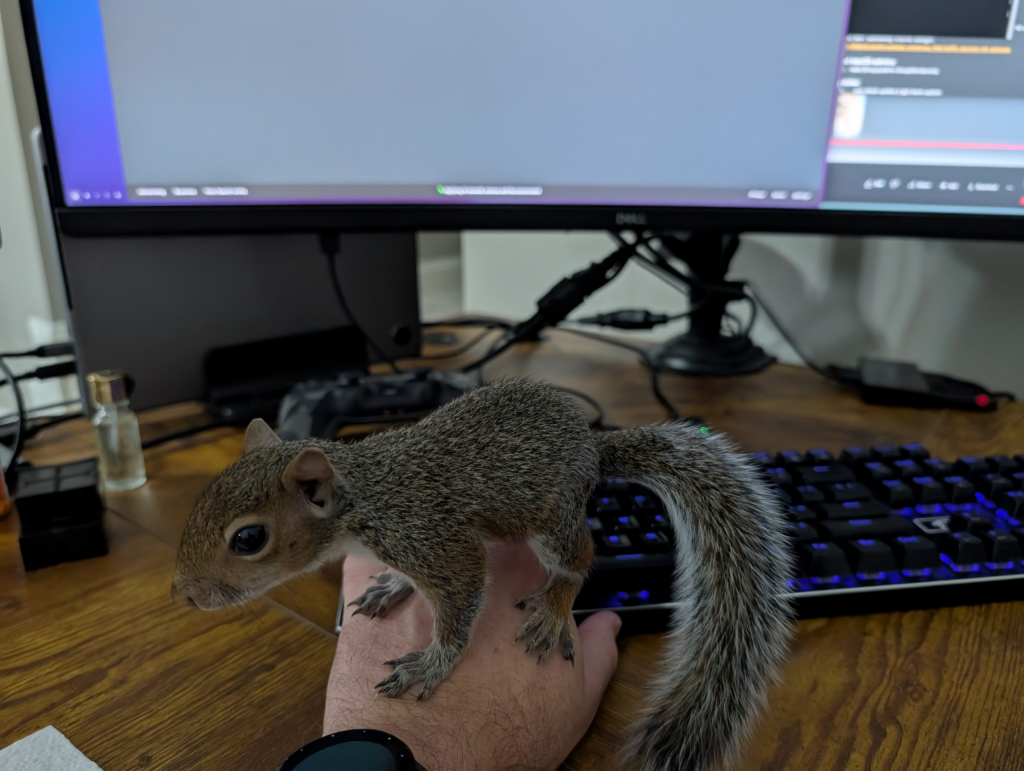
“Remote-first at Kion has honestly made it a lot easier to get real work done. You do have to be intentional about staying connected with people, but the tradeoff has been worth it. Fewer interruptions and more control over my time have helped a ton with day-to-day balance. That flexibility has made it possible to step away for personal commitments when needed, including spending time rehabilitating a group of orphaned squirrels and successfully releasing them back into the wild this spring. Turns out you can fit a lot more into a day when you are not commuting, like googling questions like “are baby squirrels supposed to be this loud.” – Brandon Muller (DevOps)
“I have a real love-hate relationship working at (and leading) a fully remote company. I’m just being brutally honest. I loved working in an office with great people that became lifelong friends through the hard battle of building a company. And I miss it every day. But that also came with loss of family connection. It wasted hours in useless commutes. It created weird optics about “staying late” to prove to somebody, somehow, I was a better worker? That’s pretty messed up.
At Kion, you (credit due to our founding team) have built an incredible balance that many other companies, big and small, would be wildly envious of. Somehow, today you have found a way to balance the personal and office appropriate connections without the bad side effects. You openly bring in newbies, celebrate your history, still create amazing new emojis and just get the job done. So yeah, I miss my fancy corner glass office. I miss the nutty water cooler conversations. But I love feeling like I can work from my home, a coffee shop, a co-working space, or a plane (where I wrote this) and feel completely connected. That connection is a big part of why I wanted to join Kion as CEO. So yeah, I love it.” -Brian Wilson (Kion CEO)
From a People Ops lens, and five years in, here’s what we know for sure:
The impact is real, and measurable.
We’ve expanded across 21 states. We’ve improved how we match talent to roles. We’ve created more flexibility without sacrificing performance. And we’ve built a culture where trust and ownership actually mean something.
But the biggest shift? We’ve aligned how we work with how people actually work best. And that’s been a competitive advantage.
Remote-First doesn’t work because people are at home. It works because the fundamentals are strong.
When you remove proximity, you can’t rely on visibility to drive performance. You have to replace it with something better.
That means communication has to be more intentional. Expectations have to be clearer. Alignment has to be tighter. And performance has to be measured by outcomes, not by who’s online, who’s in a seat, or who’s “around.”
It also requires something we talk about a lot at Kion: ownership (it’s actually one of our core values!). Not just of your work, but of your time, your environment, and how you show up for your team.
That’s the part people don’t always talk about with remote work. Flexibility only works when it’s paired with a high level of accountability. And when that balance is there, it’s powerful.
Because instead of optimizing for presence, you start optimizing for effectiveness. And that’s a much higher bar. Is it always easier? No. But it is better. And our company policy? It is designed to support exactly that balance. It reinforces independence, accountability, and alignment. Not just flexibility for the sake of flexibility
Head of People Note: How do you respond to critics who argue that remote-first work doesn’t actually work? I’ve heard this a lot post -pandemic, especially as organizations began implementing RTO mandates. It’s usually paired with the argument that employees are more productive in person and that collaboration happens more naturally face-to-face. My response is simple: a successful remote work environment starts with a strong company culture and is sustained through trust, engagement, and intentional leadership. It’s easy to say you give your employees autonomy but remote work forces you to actually practice it. You have to trust your people to work independently. Engagement doesn’t just happen; it has to be deliberately created and consistently supported by leadership. And leaders must be intentional about how they develop and grow their teams.But the reality is, these things are true in any workplace environment.
Being in person doesn’t make it easier. Proximity shouldn’t be mistaken for impact. So how do we do this at Kion? We anchor everything in a strong performance management plan, with clear goals, measured outcomes, and accountability. With those are in place, managers don’t need physical presence to understand performance. It’s true that in-person environments create more opportunities for spontaneous collaboration. In a remote setting, that doesn’t disappear, it just requires intention. Leaders have to create space for connection, for “watercooler” moments, and for meaningful collaboration. For us, Slack is the life support that keeps our employees engaged and aligned. When remote work is done well, collaboration happens virtually, engagement is intentional, and productivity improves! – Casey Cover
One thing we’ve learned over the past five years is that Remote-First doesn’t mean disconnected.
In fact, it’s made us even more intentional about creating opportunities for people to come together.
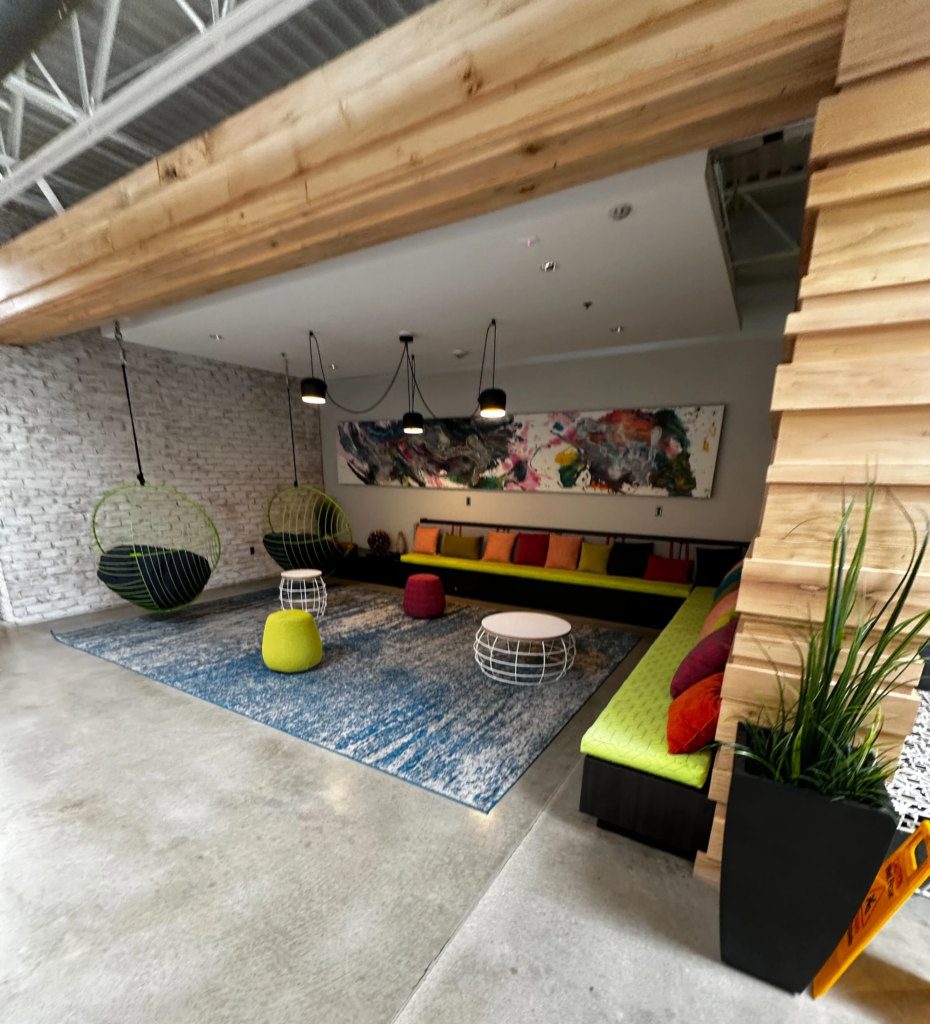
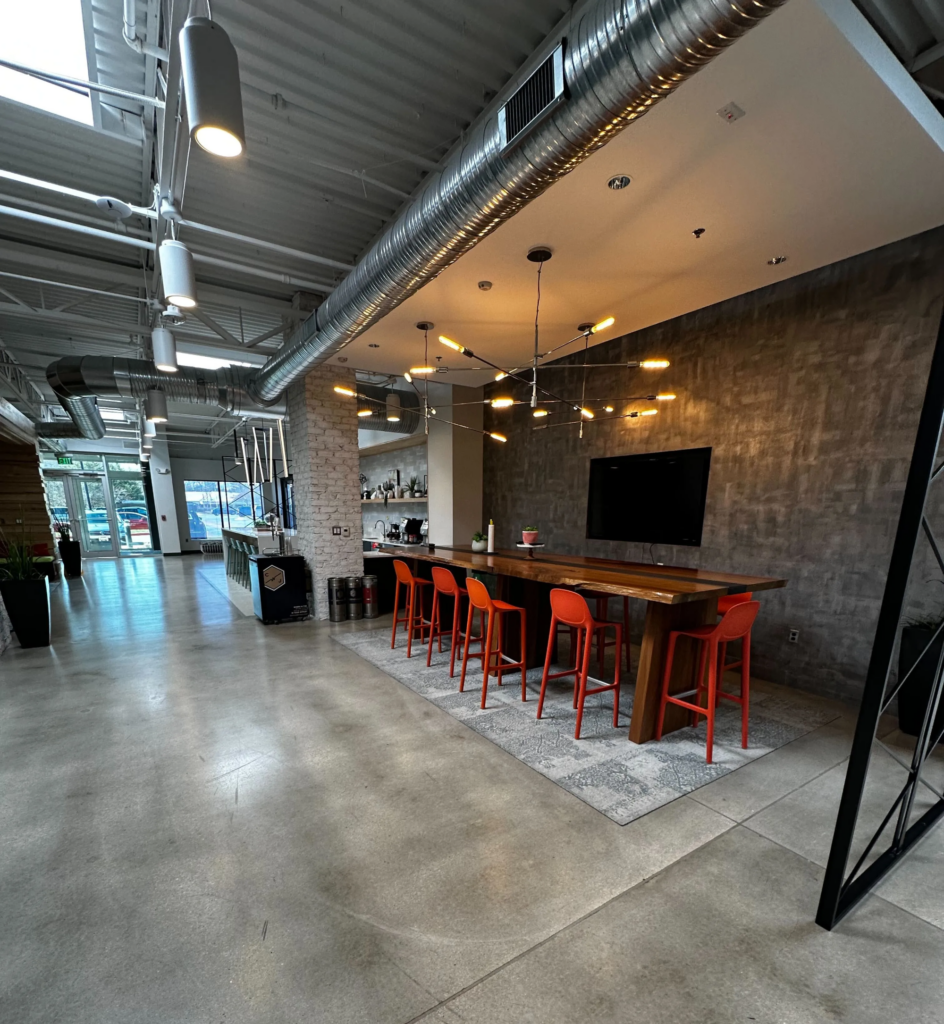
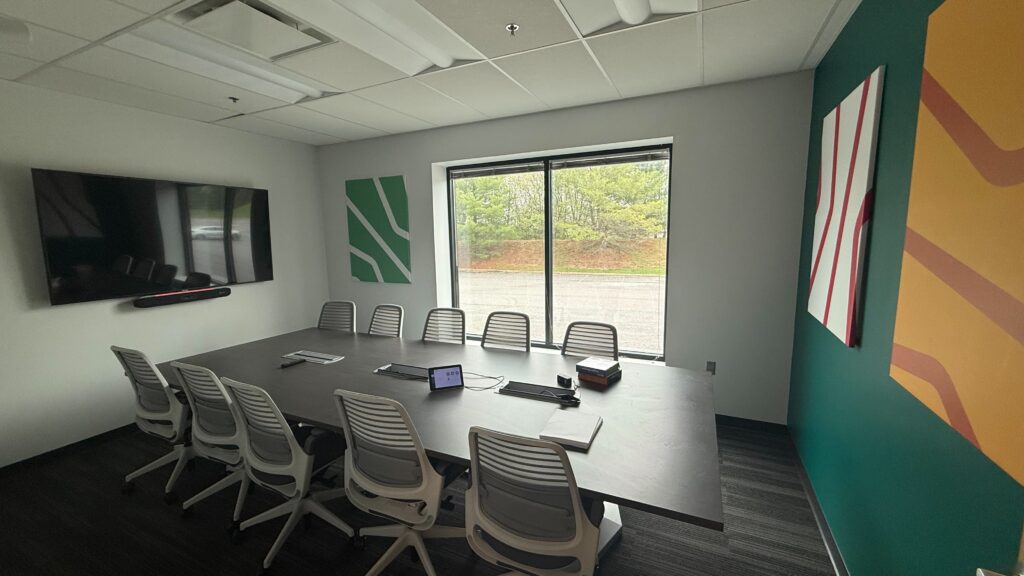
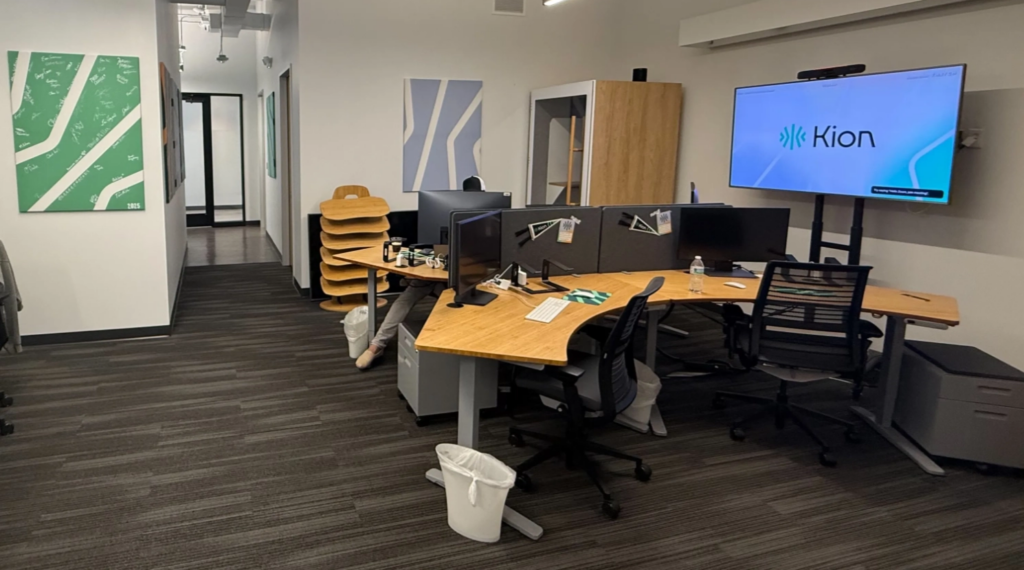
Over the years, we’ve actually downsized our physical office footprint. That was intentional, too. Instead of maintaining a large office built for daily attendance, we’ve focused on creating a headquarters space that supports what we value most: collaboration, connection, and flexibility.
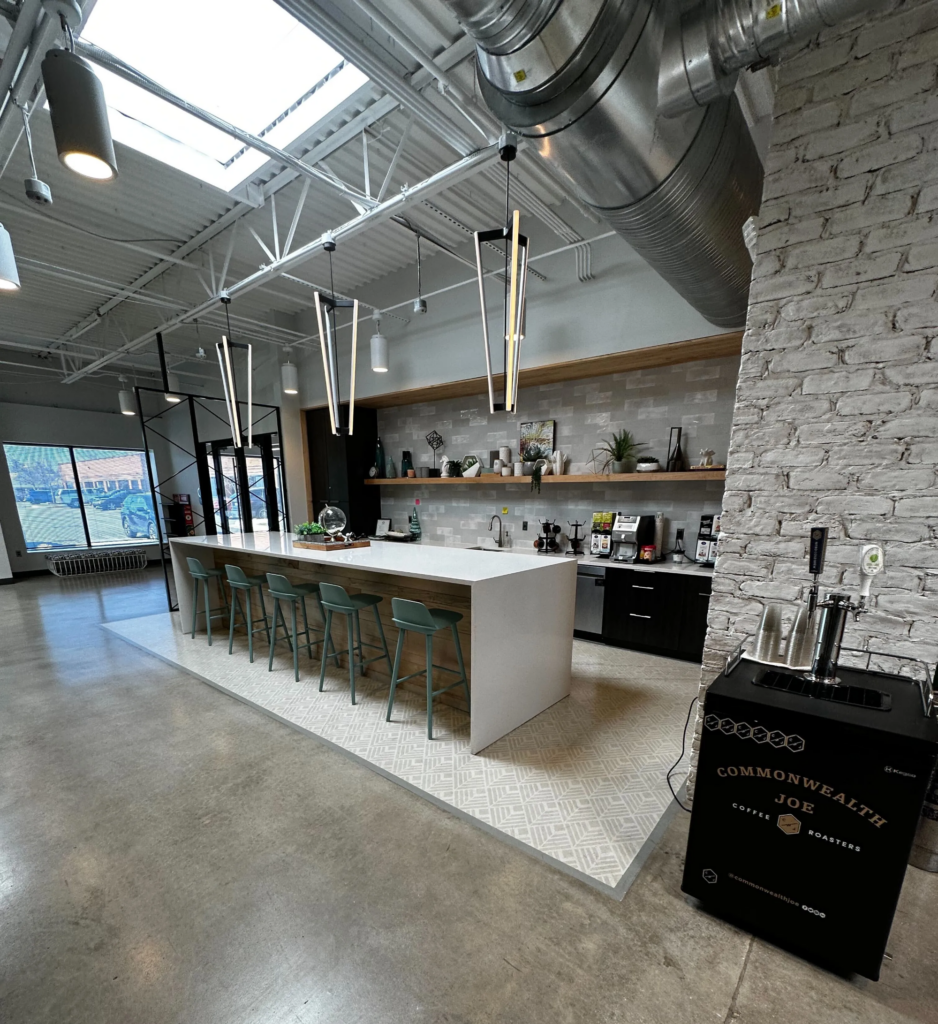
For employees who live nearby, our HQ is available as a flexible workspace with hot desks, meeting areas, and collaborative spaces designed for teams to gather when it makes sense. And beyond our suite, the building itself offers a variety of shared workspaces that allow teams to choose the environment that fits how they work best together.
(And yes, the nitro cold brew on tap definitely helps.)
But more importantly, we’ve learned that even in a Remote-First culture, people still crave connection.
One of the things we consistently hear from employees is that Remote-First is one of the things they love most about working at Kion. At the same time, they also value opportunities throughout the year to connect face-to-face, build relationships, and spend intentional time together as a team.
That balance has been a huge part of why this model has worked so well for us.
We’ve embraced the flexibility of remote work without losing sight of the human side of work itself.
And honestly, that’s what this has always been about.
Not just changing where work happens, but building a culture where people can do great work, stay connected, and thrive together from anywhere.
We hope you’ve enjoyed this edition of Inside Kion. Stay tuned for more stories where culture meets impact, and connection drives everything we do.